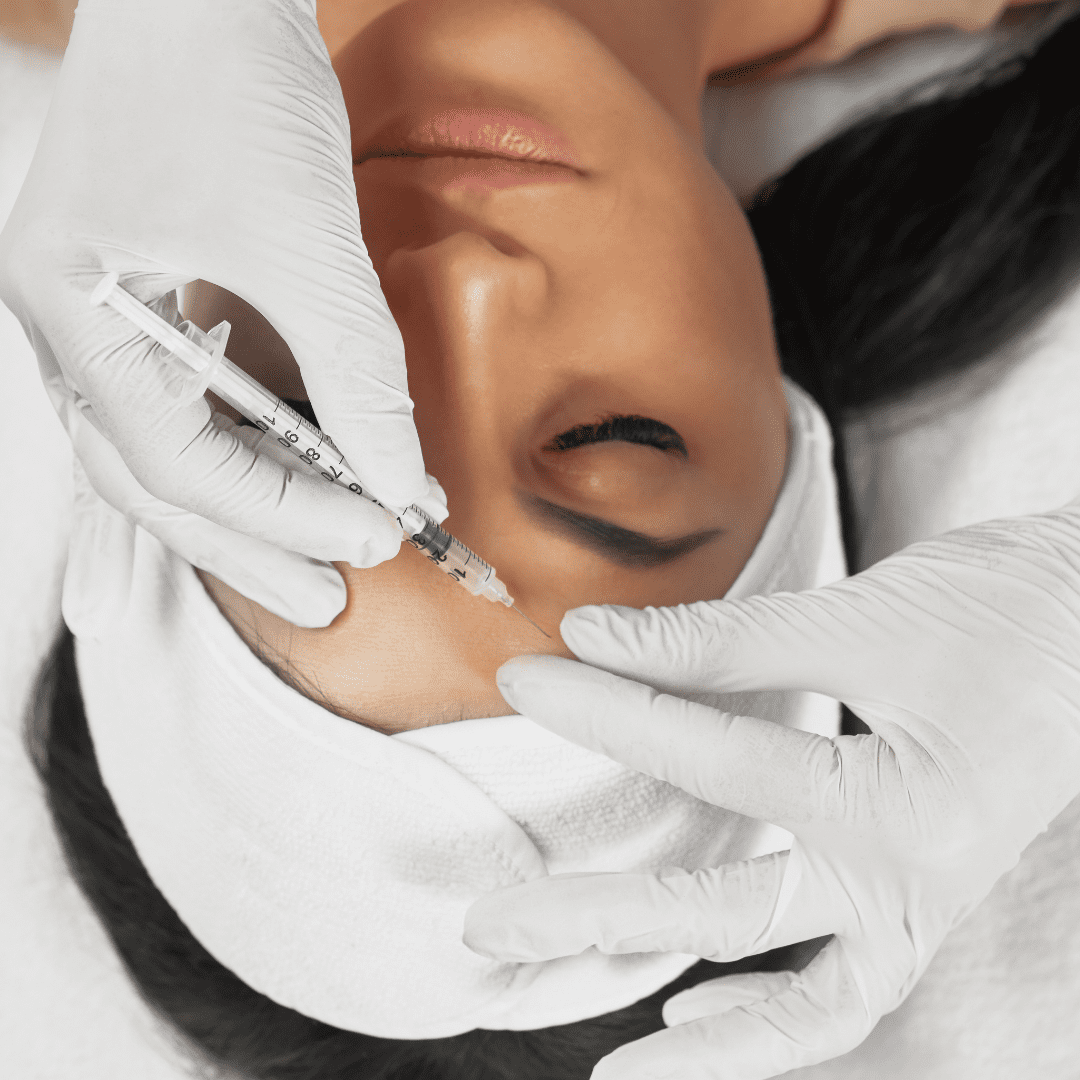
What Is Botox?
Botox is a purified form of botulinum toxin type A, a neurotoxin that temporarily relaxes specific muscles. When injected in small, controlled amounts by a trained professional, it safely reduces the appearance of dynamic wrinkles — the lines formed by repeated facial expressions.
Botox is commonly used to treat:
It is also used medically for conditions such as migraines, excessive sweating, and muscle spasms.
The Science: How Botox Actually Works
To understand Botox, we need to understand how muscles move.
Step 1: Nerve Signals Trigger Muscle Movement
When you smile, frown, or squint, your brain sends electrical signals through nerves to facial muscles. These nerves release a chemical called acetylcholine, which tells the muscle to contract.
Repeated contractions over time cause lines and wrinkles to form.
Step 2: Botox Blocks the Signal
Botox works by temporarily blocking the release of acetylcholine at the nerve-muscle junction.
When the signal is blocked:
The muscle cannot contract fully
The overlying skin stays smoother
Wrinkles soften and become less visible
The muscle is relaxed — not frozen — when properly administered.
Why Wrinkles Form in the First Place
There are two main types of wrinkles:
1. Dynamic Wrinkles – These appear when you move your face (smiling, frowning, squinting). Botox is most effective for this type.
2. Static Wrinkles – These are visible even when your face is at rest. Botox can soften them, but additional treatments like fillers or skin resurfacing may be recommended for deeper lines.
How Long Does Botox Take to Work?
Botox does not work immediately.
Over time, as muscle activity gradually returns, lines may slowly reappear — which is why maintenance sessions are recommended.
Does Botox Freeze Your Face?
One of the biggest misconceptions about Botox is that it makes the face look stiff or unnatural.
When performed by an experienced injector:
Facial expressions remain natural
Only targeted muscles are relaxed
The result is refreshed, not frozen
The key is proper dosing and precise placement.
What to Expect During the Procedure
Botox treatments are quick and minimally invasive.
Procedure time: 10–20 minutes
Discomfort level: Mild (tiny injections with fine needles)
Downtime: Minimal to none
After treatment:
Avoid lying down for 4 hours
Avoid intense exercise for 24 hours
Do not massage the treated area
You can usually return to work the same day.
Is Botox Safe?
Yes — when administered by a trained and licensed professional.
Botox has been used medically for decades and is FDA-approved for both cosmetic and therapeutic applications.
Common temporary side effects may include:
Serious complications are rare when performed properly.
Who Is a Good Candidate?
You may be a good candidate for Botox if you:
Have visible dynamic wrinkles
Want a non-surgical anti-aging solution
Prefer minimal downtime
Want preventative treatment before deep lines form
Many patients now start Botox in their late 20s or early 30s as a preventative approach.
Preventative Botox: How It Helps
When Botox is used early, it can:
Reduce repetitive muscle movement
Prevent deep wrinkle formation
Slow visible signs of aging
Think of it as training your muscles to relax before lines become permanent.